Mouth Taping: Benefits and Safety Tips

Did you know up to 50% of adults breathe through their mouths at night? This habit can cause snoring, dry mouth, and sleep apnea. Mouth taping is a growing trend to help you breathe through your nose and sleep better. Mouth taping uses special tape to keep your lips shut while you sleep. It helps … Read more
How I Healed Chronic Illness Through Pranayama Breathwork

Niraj Naik’s story is a powerful example of how breath, mind, and lifestyle can work together to support healing from chronic illness. Niraj Naik’s Healing Journey As a young pharmacist, Niraj Naik was diagnosed with severe ulcerative colitis, an autoimmune condition that left him housebound, bleeding frequently, and facing the prospect of colon removal or … Read more

Mouth Breathing Effects

The Hidden Dangers of Mouth Breathing Most parents do not realize the profound health consequences of mouth breathing for a child’s life. If your child is breathing through their mouth, it can affect far more than you might imagine, impacting their immune system, posture, ability to concentrate, mood, sleep quality, and even permanently changing their … Read more

Mouth Breather Face: Understanding and Addressing the Issue

Did you know up to 50% of kids breathe through their mouths? This can change their face shape and growth. It’s important for parents and healthcare workers to know about mouth breathing. This helps keep faces healthy and support overall well-being. Mouth-breather face is a term for facial traits associated with breathing through the mouth. … Read more

Anulom Vilom: The Complete Guide

A science-backed, beginner-safe approach to this ancient yogic breathing practice What Is Anulom Vilom Pranayama? Anulom Vilom is a classical yogic breathing technique in which breath flows alternately through the left and right nostrils in a specific sequence. The name derives from Sanskrit: Anulom means “with the natural order” and Vilom means “against the natural … Read more

Can Mouth Breathing Face Be Reversed in Adults: A Guide

Did you know up to 30-50% of adults breathe through their mouths at night? This can change the face’s appearance, leading to “long-face syndrome” or a “mouth breathing face.” It’s more common in kids, but adults can also see changes in their facial appearance and growth. If you’ve been breathing through your mouth for years, … Read more

Breathe to Heal – Through Intentional Breathing

Breathing is one of the most counterintuitive subjects to discuss because normally people don’t think about it, just as we don’t consciously think about blinking our eyes or digesting our food. These are automatic functions controlled by the autonomic nervous system that require no effort or attention. However, breathing is fundamentally different. Unlike other automatic … Read more

Belly Breathing for Kids: Calm Anxiety and Build Emotional Resilience

Every child experiences stressful moments, whether it’s anxiety before a test, frustration with a friend, or feeling overwhelmed by big emotions. While adults may have developed coping strategies over the years, children often lack the tools to manage these challenging situations. Belly breathing, also known as diaphragmatic breathing, offers kids a simple yet powerful technique … Read more

Nasal Breathing

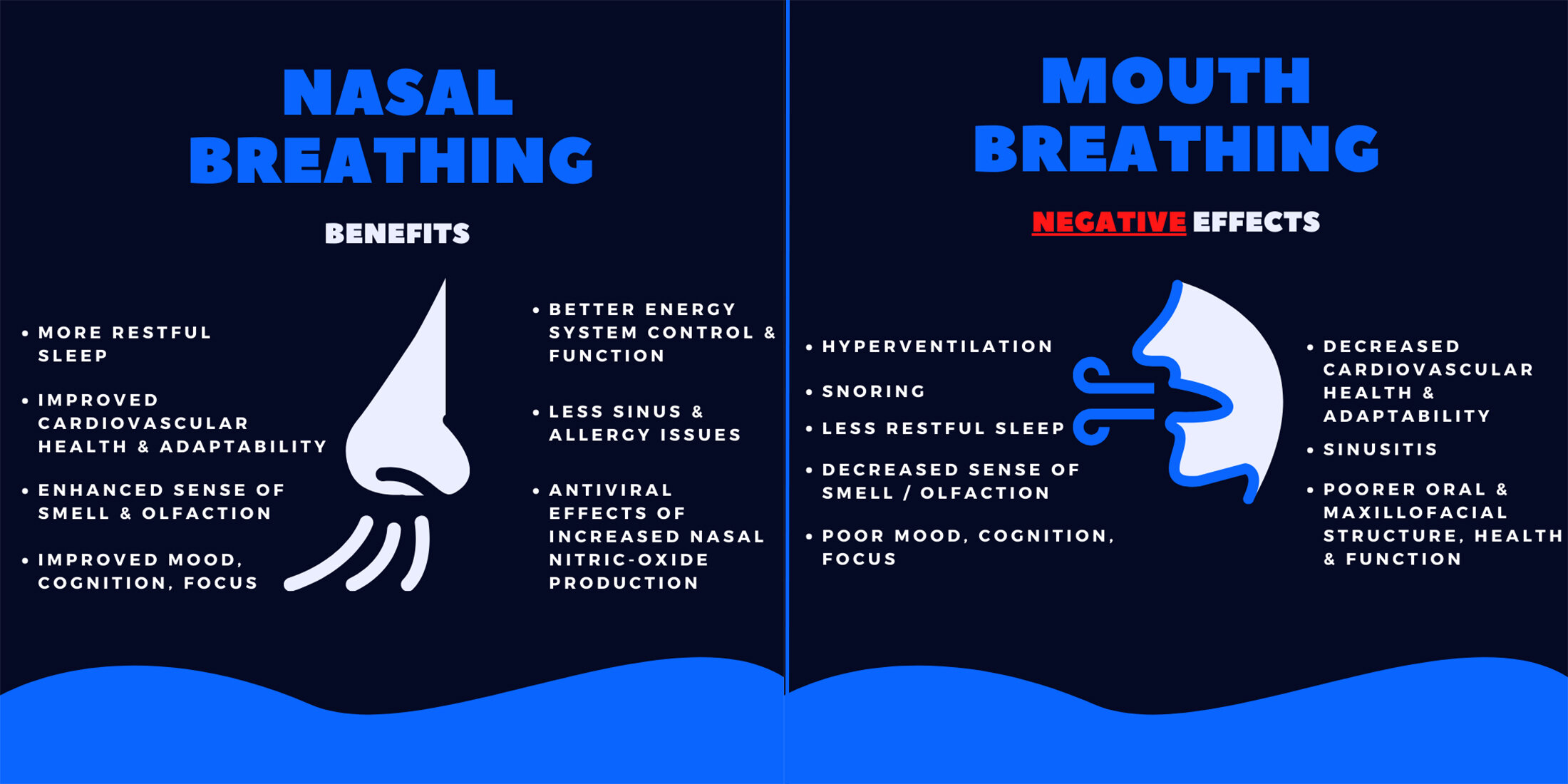
Nose breathing offers numerous benefits over mouth breathing, including enhanced overall health. When individuals breathe through their nose, it enables the body to filter out harmful particles, humidify inhaled air, and produce nitric oxide. This nitric oxide improves blood circulation and oxygen distribution throughout the body. Unfortunately, many adults tend to breathe through their mouths, … Read more

Three-Part Breathing (Dirgha Pranayama): A Complete Guide

Three-part breathing, known as Dirgha pranayama in Sanskrit, is one of the most fundamental and accessible breathing techniques in the yogic tradition, designed to activate the full capacity of the lungs while promoting deep relaxation and mental clarity. This practice systematically fills the lungs from bottom to top, engaging the abdomen, diaphragm, and chest in … Read more