Did you know that about 80% of people have bad breathing habits? Shallow breathing and mouth breathing can lead to health problems like asthma, anxiety, and sleep issues. But, the Buteyko breathing technique can help you breathe better and feel healthier.
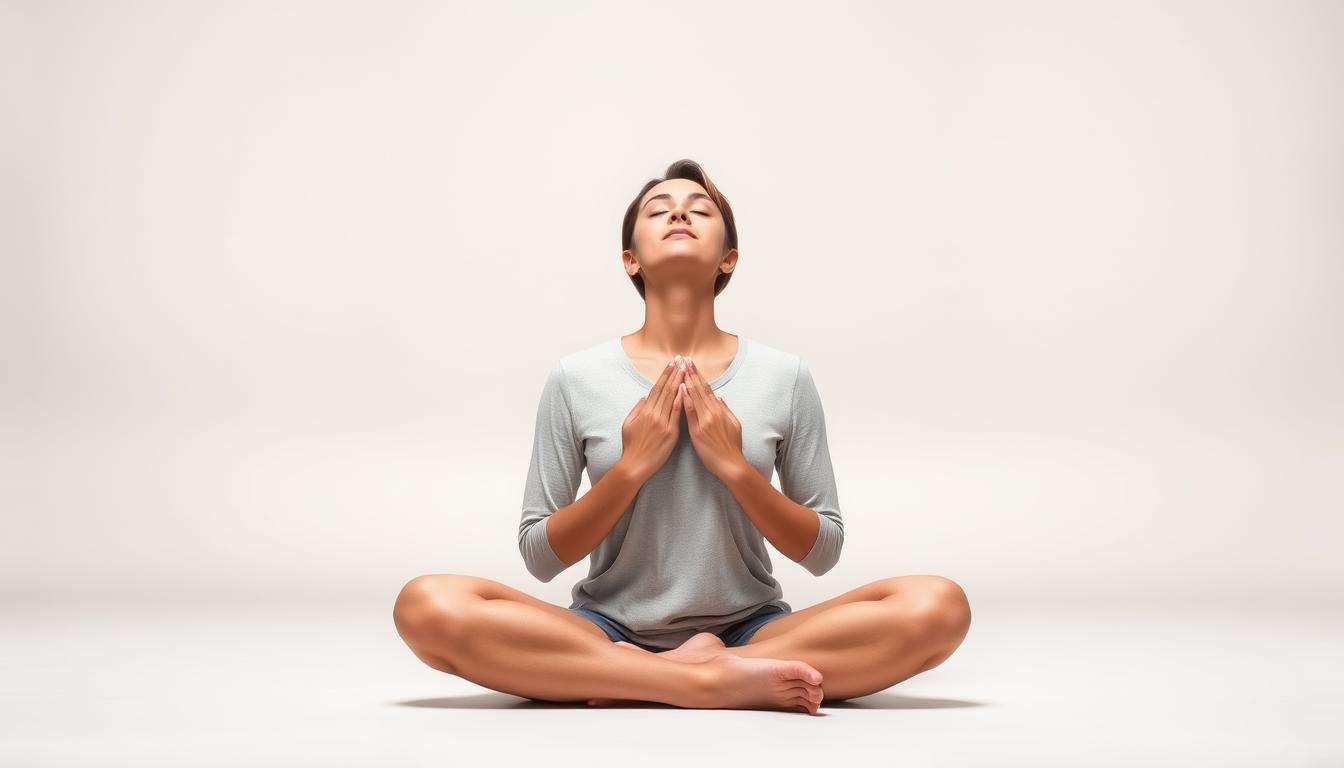
Ukrainian doctor Konstantin Buteyko created this method in the 1950s. It teaches you to breathe through your nose and control your breath. By doing Buteyko breathing every day, you can feel more energetic, less stressed, and sleep better. It’s great for managing asthma or just improving your breathing.
Key Takeaways
- Buteyko breathing is a natural technique that can improve overall health and well-being
- The method emphasizes nasal breathing and breath control exercises
- Practicing Buteyko breathing can help manage asthma symptoms, reduce anxiety, and enhance sleep quality
- Shallow breathing exercises and optimal breathing techniques are key components of the Buteyko method
- Incorporating Buteyko breathwork into your daily routine can lead to increased energy and reduced stress levels
What is Buteyko Breathing?
Buteyko Breathing, also known as the reduced breathing method, is a special way to boost your breathing and health. It was created by Soviet physiologist Konstantin Buteyko in the 1950s. This method helps fix dysfunctional breathing patterns and boosts carbon dioxide tolerance.
Origins of the Buteyko Method
Dr. Buteyko thought that bad breathing habits cause health issues, like asthma. He noticed that people with asthma breathe too much and too fast. This leads to too little carbon dioxide in the body.
Key Principles of Buteyko Breathing
The main ideas of Buteyko Breathing are:
- Nasal breathing: Breathing through the nose instead of the mouth
- Diaphragmatic breathing: Using the diaphragm for full-body breathing
- Breath control: Consciously reducing the depth and frequency of breaths
- Breath holding: Practicing short breath holds to increase carbon dioxide tolerance
By following these principles, you can change your breathing. This can help your body get more oxygen and balance oxygen and carbon dioxide levels. This can lead to many health benefits, as shown in the table below:
| Health Benefit | Explanation |
|---|---|
| Reduced asthma symptoms | Normalizing breathing can reduce airway inflammation and bronchospasm |
| Improved stress resilience | Controlled breathing can activate the parasympathetic nervous system, promoting relaxation |
| Better sleep quality | Nasal breathing and reduced hyperventilation can improve sleep onset and duration |
| Enhanced physical performance | Increased carbon dioxide tolerance can improve oxygen delivery to muscles during exercise |
“Breathe less than you feel you need.” – Konstantin Buteyko
By using the Buteyko Breathing method, you can improve your breathing and health. It’s a way to take care of your respiratory health and overall well-being.
Benefits of Buteyko Breathing
Practicing Buteyko breathing can bring many health benefits. It’s great for those with breathing problems, anxiety, or sleep issues. This method focuses on breathing retraining and control. It helps improve your overall health.
Improves Asthma Symptoms
Buteyko breathing can help with asthma symptoms. Studies show it can reduce asthma attacks and the need for medication. It teaches you to breathe better and avoid hyperventilation.
| Study | Participants | Duration | Results |
|---|---|---|---|
| Bowler et al. (1998) | 39 asthma patients | 12 weeks | Reduced asthma symptoms and bronchodilator use |
| McHugh et al. (2003) | 38 asthma patients | 6 months | Improved asthma control and quality of life |
Reduces Anxiety and Stress
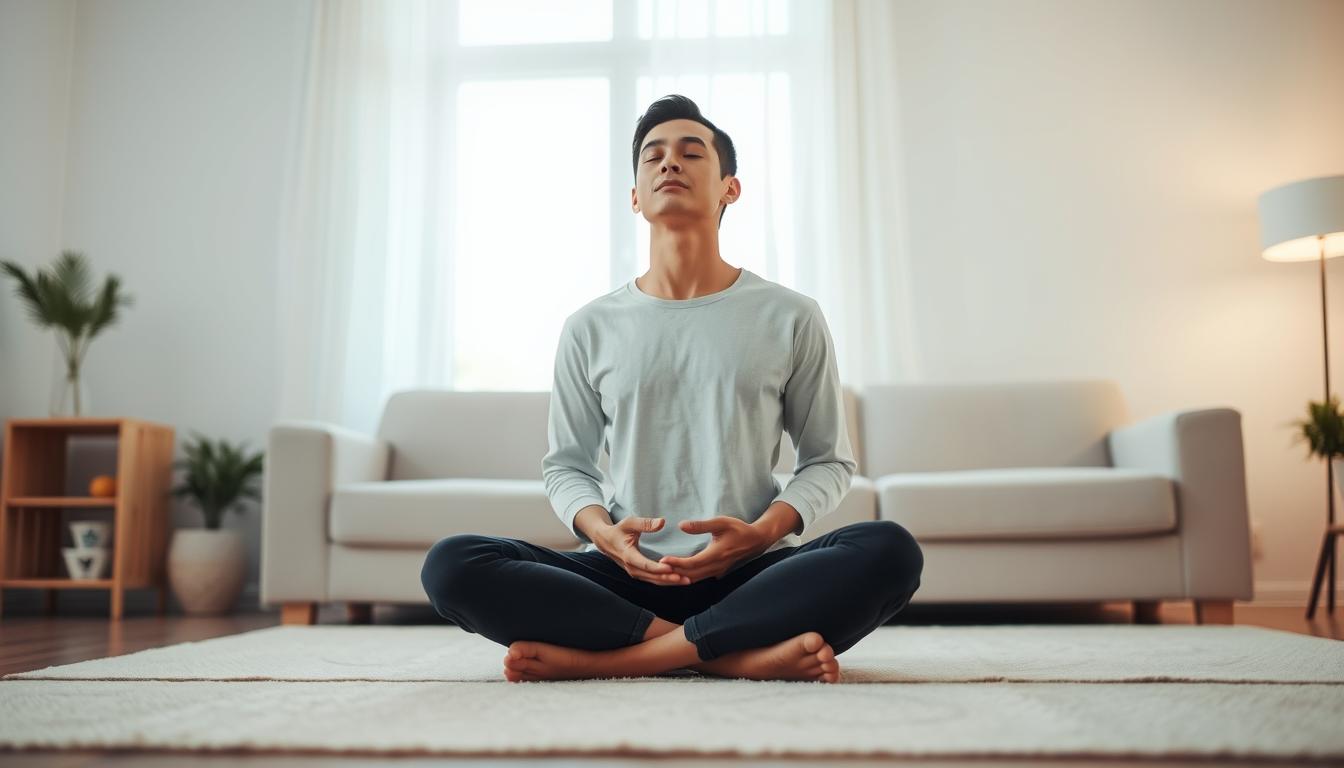
Buteyko breathing can also help with anxiety and stress. It teaches slow, controlled breathing for relaxation. This technique helps regulate your breath and reduce stress effects on your body.
Enhances Sleep Quality
Buteyko breathing can help with sleep issues. It promotes relaxation and improves sleep quality. By practicing before bed, you can reduce sleep disturbances.
Regulates Breathing Patterns
Buteyko breathing aims to normalize breathing. Many people breathe too much, leading to health problems. Learning to breathe slowly and efficiently can improve oxygen and carbon dioxide levels.
How to Practice Buteyko Breathing
Buteyko breathing exercises are simple yet effective. They can help you improve your breathing and health. Before starting, it’s important to prepare your body and mind.
Preparing for Buteyko Exercises
Find a quiet and comfortable space to sit upright. Relax your muscles, including your face, neck, and shoulders. Take a few moments to settle and focus on your breath.
The Control Pause Technique
The Control Pause is a key exercise. It helps you gauge your breath-holding capacity. Here’s how to do it:
- Exhale slowly through your nose until you feel a slight urge to breathe.
- Pinch your nose gently and start counting seconds.
- When you feel a strong desire to breathe, release your nose and inhale calmly through your nose.
- Note the number of seconds you were able to hold your breath comfortably.
The Maximum Pause Technique
The Maximum Pause is similar but holds your breath for as long as possible. It improves your body’s carbon dioxide tolerance. Follow these steps:
- Exhale slowly through your nose until you feel a slight urge to breathe.
- Pinch your nose and hold your breath for as long as you can, without straining.
- When you can no longer hold your breath, release your nose and inhale calmly through your nose.
- Rest for a few moments before repeating the exercise.
Tips for Beginners
Beginners should start slowly and consistently. Here are some tips to help you:
- Aim for 5 hours of face-to-face lessons with a certified Buteyko practitioner to ensure proper technique.
- Practice buteyko breathing exercises for 15-20 minutes, three times a day, for at least 6 weeks to see significant improvements.
- Focus on nasal breathing throughout the day, even during physical activity.
- Be patient and consistent with your practice, as it may take time to experience the full benefits of buteyko breathing.
| Exercise | Duration | Frequency |
|---|---|---|
| Control Pause | 15-20 minutes | 3 times a day |
| Maximum Pause | 15-20 minutes | 3 times a day |
By adding these exercises to your daily routine, you can improve your respiratory health. You can also reduce stress and anxiety, and enhance your overall well-being.
Buteyko Breathing Exercises for Specific Conditions
Buteyko breathing exercises can help with many health issues. They focus on each condition’s needs to improve breathing and overall health.
For asthma, these exercises help control breathing. They teach shallow, controlled breaths. This can lessen symptoms and reduce medication use.
Managing anxiety is easier with buteyko breathing. It helps control heart rate and blood pressure. This leads to calmness and better handling of stress.
People with sleep disorders like sleep apnea and snoring can also benefit. Deep breathing exercises help sleep better. They reduce breathing problems during sleep.
Buteyko breathing exercises are a natural way to improve health. Regular practice can lead to better symptoms and overall well-being.
Conclusion
Buteyko breathing is a natural way to boost your health. It helps you breathe better and feel good overall. By practicing this technique, you can ease asthma symptoms, reduce stress, and sleep better.
Learning Buteyko breathing takes time and effort. But the benefits are huge. It’s worth the work to improve your breathing and health.
Start your Buteyko breathing journey with patience and regular practice. Begin with simple exercises and get better with time. Soon, you’ll see how it improves your health and mood.
Adding Buteyko breathing to your daily life is easy and powerful. It’s great for managing health issues or just feeling better. Try it out and see how it can make a big difference in your life.