Did you know a lack of nitric oxide can raise your risk of high blood pressure and heart disease? It can also affect your vision, mood, and brain function. This simple molecule is key to your health, but many don’t know its importance.
Nitric oxide helps your blood vessels relax. This lets more blood, oxygen, and nutrients reach your organs. It also protects the lining of your blood vessels. Knowing how nitric oxide benefits your health can help keep it at the right levels.
With enough nitric oxide, you might see better blood flow, lower blood pressure, and better exercise results. But not having enough can lead to health problems and heart disease risks.
Key Takeaways
- Nitric oxide is a vital molecule that helps relax blood vessels and improve circulation
- Adequate nitric oxide levels are essential for maintaining cardiovascular health
- Nitric oxide deficiency can increase the risk of high blood pressure, coronary artery disease, and other health issues
- Understanding nitric oxide benefits can help you take steps to maintain optimal levels in your body
- Nitric oxide plays a critical role in exercise performance, erectile function, and preventing pregnancy-related hypertension
Introduction to Nitric Oxide
Ever wondered about nitric oxide and its role in your body? Nitric oxide (NO) is a small but powerful molecule. It acts as a signaling compound, controlling many body functions. One important job is being a vasodilator, which relaxes blood vessel muscles to improve blood flow and lower blood pressure.
Nitric oxide is made in two main ways in our bodies. The first is via the nitric oxide synthase-dependent pathway. The second is the nitric-oxide-synthase-independent pathway. These involve converting amino acids, such as L-arginine, into nitric oxide. This nitric oxide then spreads to tissues, where it works its magic.
Nitric oxide does more than just help your heart. It’s involved in many body functions, such as:
- Neurotransmission and brain function
- Immune system regulation
- Hormone release stimulation
- Inflammation modulation
Exploring nitric oxide reveals its huge impact on health and well-being. It helps with blood pressure and boosts exercise performance. Understanding nitric oxide helps you unlock your body’s full health and fitness potential.
How Nitric Oxide Is Produced in the Body
Nitric oxide is made in two main ways in our bodies. These are the NO-synthase-dependent and NO-synthase-independent pathways. They work together to keep our nitric oxide levels right. This is important for our heart health and other key functions.

Nitric Oxide Synthesis by the NO-Synthase-Dependent Pathway
The main way nitric oxide is produced is via the NO synthase-dependent pathway. This process uses the amino acid L-arginine and enzymes called nitric oxide synthases (NOS). It needs oxygen and a helper called NADPH. There are three types of NOS enzymes:
- Endothelial NOS (eNOS): Found in the lining of blood vessels
- Neuronal NOS (nNOS): Present in nerve cells
- Inducible NOS (iNOS): Expressed in immune cells during inflammatory responses
L-citrulline also helps make nitric oxide. It is converted to L-arginine in the body. This L-arginine is then used by NOS enzymes.
Nitric Oxide Synthesis by the NO-Synthase-Independent Pathway
When oxygen levels are low, the NO-synthase-independent pathway kicks in. It uses nitrate and nitrite to make nitric oxide. This starts in the mouth, where bacteria change nitrate to nitrite.
In the stomach’s acidic environment, nitrite is reduced to nitric oxide. Nitrite can also be taken back into the blood. It then converts to nitric oxide in other parts of the body, especially when there’s not enough oxygen.
The role of each pathway changes based on oxygen levels, pH, and NOS enzymes. Here’s a quick comparison of the two pathways:
| NO-Synthase-Dependent Pathway | NO-Synthase-Independent Pathway |
|---|---|
| Requires NOS enzymes | Does not require NOS enzymes |
| Uses L-arginine as a substrate | Uses nitrate and nitrite as precursors |
| Oxygen-dependent | More active in low-oxygen conditions |
| Primary pathway under normal conditions | Complementary pathway, specially in hypoxia |
The Role of Nitric Oxide in Cardiovascular Health
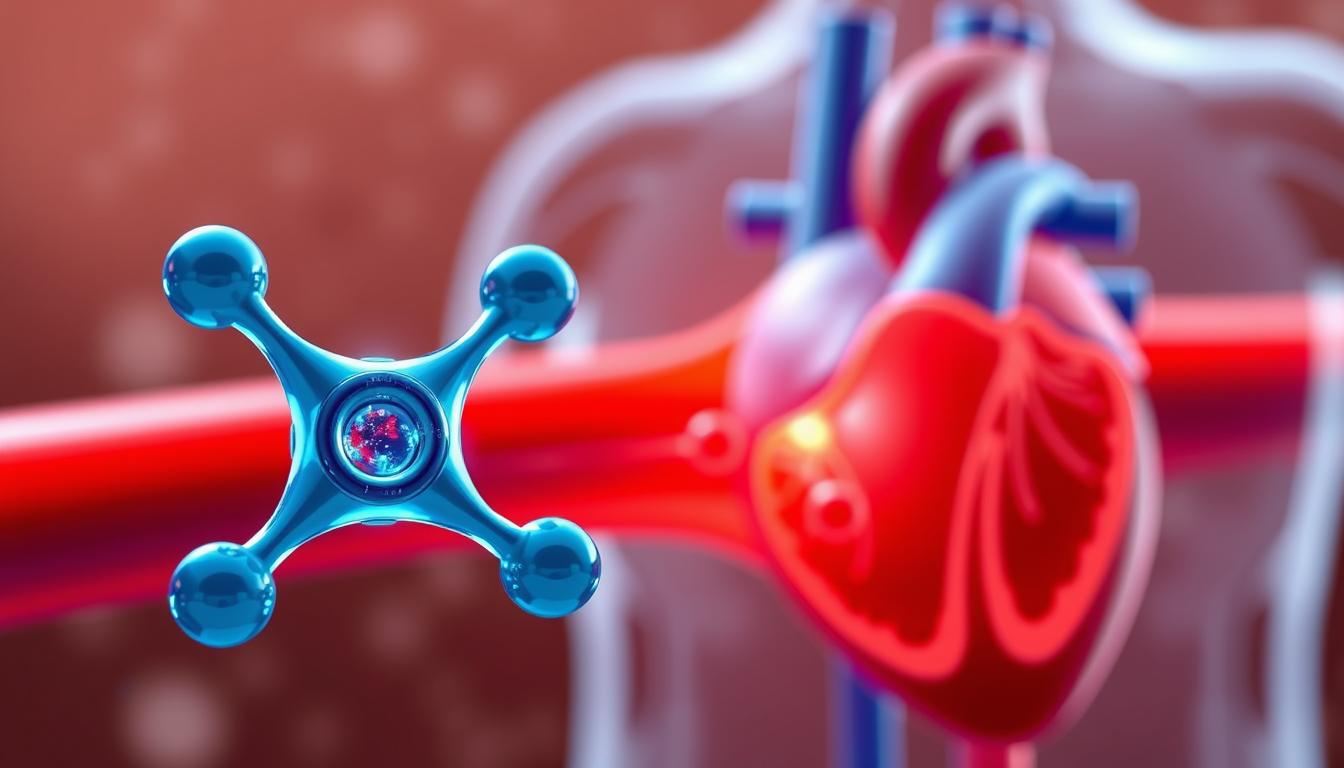
Nitric oxide is key to a healthy heart and blood vessels. It keeps your blood vessels relaxed and flexible. This makes it easier for blood to flow through your body.
By understanding nitric oxide, you can help your heart stay healthy. This can lower your risk of heart disease.
A study in the Journal of Physiology found nitric oxide comes from three enzymes. These enzymes help control blood vessel dilation and blood pressure.
Nitric Oxide and Blood Vessel Dilation
Nitric oxide helps your blood vessels relax and open up. This makes it easier for blood to flow. It reduces the strain on your heart and lowers blood pressure risks.
Nitric oxide works by:
- Relaxing the smooth muscle cells in your blood vessels
- Making your blood vessel walls more flexible
- Reducing inflammation and oxidative stress in your blood vessels
Nitric Oxide and Blood Pressure Regulation
Nitric oxide also helps control your blood pressure. When your blood vessels are relaxed, your blood pressure goes down. This reduces the strain on your heart and other organs.
Studies show people with high blood pressure have less nitric oxide. Boosting nitric oxide levels through diet and lifestyle can help lower blood pressure. This can reduce your risk of heart disease.
| Nitric Oxide Level | Blood Pressure | Cardiovascular Risk |
|---|---|---|
| High | Normal | Low |
| Low | High | Increased |
Nitric Oxide and Exercise Performance
Nitric oxide is key to better exercise performance. It helps blood flow to muscles, bringing more oxygen and nutrients. This lets muscles work harder and longer. Let’s see how supplements like L-arginine and L-citrulline boost your workout.
Nitric Oxide Supplementation for Enhanced Exercise Capacity
Nitric oxide supplements are popular among athletes. They help improve exercise performance. Studies show they work for runners and weightlifters alike.

These supplements are more helpful for beginners and those who are moderately trained. Even top athletes can see some benefits in their performance and recovery.
L-Arginine and L-Citrulline as Nitric Oxide Precursors
L-arginine and L-citrulline help make nitric oxide in the body. L-arginine boosts respiratory response and exercise performance. L-citrulline, with malate, increases endurance and reduces fatigue during intense workouts.
| Supplement | Benefits |
|---|---|
| L-Arginine | Increases respiratory response and enhances exercise performance |
| L-Citrulline with Malate | Increases working capacity and reduces fatigue during high-intensity exercise |
When picking nitric oxide supplements, choose high-quality ones. Look for products with L-arginine or L-citrulline. Talk to a healthcare professional or fitness trainer to find the right supplement for you.
What Is Nitric Oxide’s Role in Other Body Functions
Nitric oxide is vital for more than just heart health and exercise. It also plays a key role in erectile function and managing blood pressure during pregnancy.
Nitric Oxide and Erectile Dysfunction
Nitric oxide helps men get and keep an erection. When a man is sexually excited, his body releases nitric oxide. This causes the muscles in the penis to relax.
With these muscles relaxed, blood vessels in the penis open up. This lets more blood flow into the penis, causing an erection.
Men with erectile dysfunction often have trouble making nitric oxide. Taking L-citrulline, a nitric oxide booster, can help improve their erections.
Nitric Oxide and Pregnancy-Related Hypertension
Preeclampsia is a serious condition in pregnancy, causing high blood pressure. Nitric oxide helps control blood pressure during pregnancy. Without enough nitric oxide, women may develop preeclampsia.
Research suggests that L-arginine, a nitric oxide maker, can help lower blood pressure in pregnant women with preeclampsia. Here’s a table showing how L-arginine might help:
| Study | Participants | Dosage | Results |
|---|---|---|---|
| Neri et al. (2010) | Pregnant women with preeclampsia | 4 g/day L-arginine | Reduced blood pressure and improved fetal outcomes |
| Rytlewski et al. (2005) | Pregnant women at risk for preeclampsia | 3 g/day L-arginine | Lower incidence of preeclampsia and improved maternal and fetal outcomes |
These results are encouraging, but always talk to a doctor before taking supplements during pregnancy. Everyone’s needs and risks are different.
Nitric Oxide Supplements: Benefits and Side Effects
Nitric oxide supplements are popular among athletes and health fans. They help boost nitric oxide levels in the body. These supplements use compounds like nitrate or amino acids like L-arginine and L-citrulline to make nitric oxide.
Types of Nitric Oxide Supplements
There are many nitric oxide boosters out there. Here are a few:
- L-arginine supplements
- L-citrulline supplements
- Beetroot juice and supplements
- Nitrate-rich foods like spinach, arugula, and celery
Beetroot juice is a favorite nitric oxide food. It’s packed with nitrates. When you drink it, your body turns these nitrates into nitric oxide.
Potential Benefits and Side Effects of Nitric Oxide Supplementation
Supplements might help in many ways. They could:
- Improve heart health
- Boost exercise performance and recovery
- Help with erectile dysfunction
- Manage type 2 diabetes better
But, there are possible nitric oxide supplements side effects. These can include:
| Side Effect | Description |
|---|---|
| Stomach discomfort | Bloating, gas, and indigestion |
| Diarrhea | Loose, watery stools |
| Discolored stool and urine | Dark red or pink hue due to beetroot pigments |
Always talk to a healthcare professional before starting any new supplement. Nitric oxide supplements might interact with medicines or not be good for certain health conditions.
Knowing about the different nitric oxide supplements, their benefits, and side effects helps you decide. It’s important to choose wisely.
Conclusion
Nitric oxide is key to your health, affecting your heart, exercise, and more. Knowing how it works in your body helps you make better choices for your health.
While supplements might help, be careful. Always talk to a doctor before starting any new supplement. They can help you see if it’s safe for you.
There are other ways to boost nitric oxide too. Eating veggies and exercising regularly can help. By focusing on your overall health, you can enjoy the benefits of nitric oxide.
FAQ
What is nitric oxide, and why is it important for your health?
Nitric oxide is a molecule in your body that’s key for blood flow and health. It makes blood vessels relax, letting more blood, oxygen, and nutrients reach your organs. Not having enough nitric oxide can lead to high blood pressure, heart disease, and even depression.
How is nitric oxide produced in the body?
Your body makes nitric oxide through different ways. One way is by using the amino acid L-arginine with oxygen and NADP. Another way uses nitrate and nitrite, which kick in when oxygen levels drop.
What role does nitric oxide play in cardiovascular health?
Nitric oxide is essential for heart health. It makes blood vessels relax and widen, improving blood flow. This helps lower blood pressure and makes blood flow better in the carotid artery. Foods like fruits and veggies can boost nitric oxide levels, helping your heart.
How does nitric oxide affect exercise performance?
Nitric oxide helps muscles get more nutrients and oxygen during exercise, boosting performance. Supplements like nitrate can also help athletes perform better. L-arginine and L-citrulline can improve breathing and muscle work during exercise.
What other body functions does nitric oxide influence?
Nitric oxide helps the penis get erect by relaxing muscles. L-citrulline can help with erectile function. It may also help pregnant women with high blood pressure.
What are nitric oxide supplements, and what are their benefits and side effects?
Supplements for nitric oxide include compounds like nitrate and amino acids. They can improve heart health, exercise, and erectile function. But, they might cause stomach issues, diarrhea, and change the color of your stool and urine. Always talk to a doctor before taking them.